




























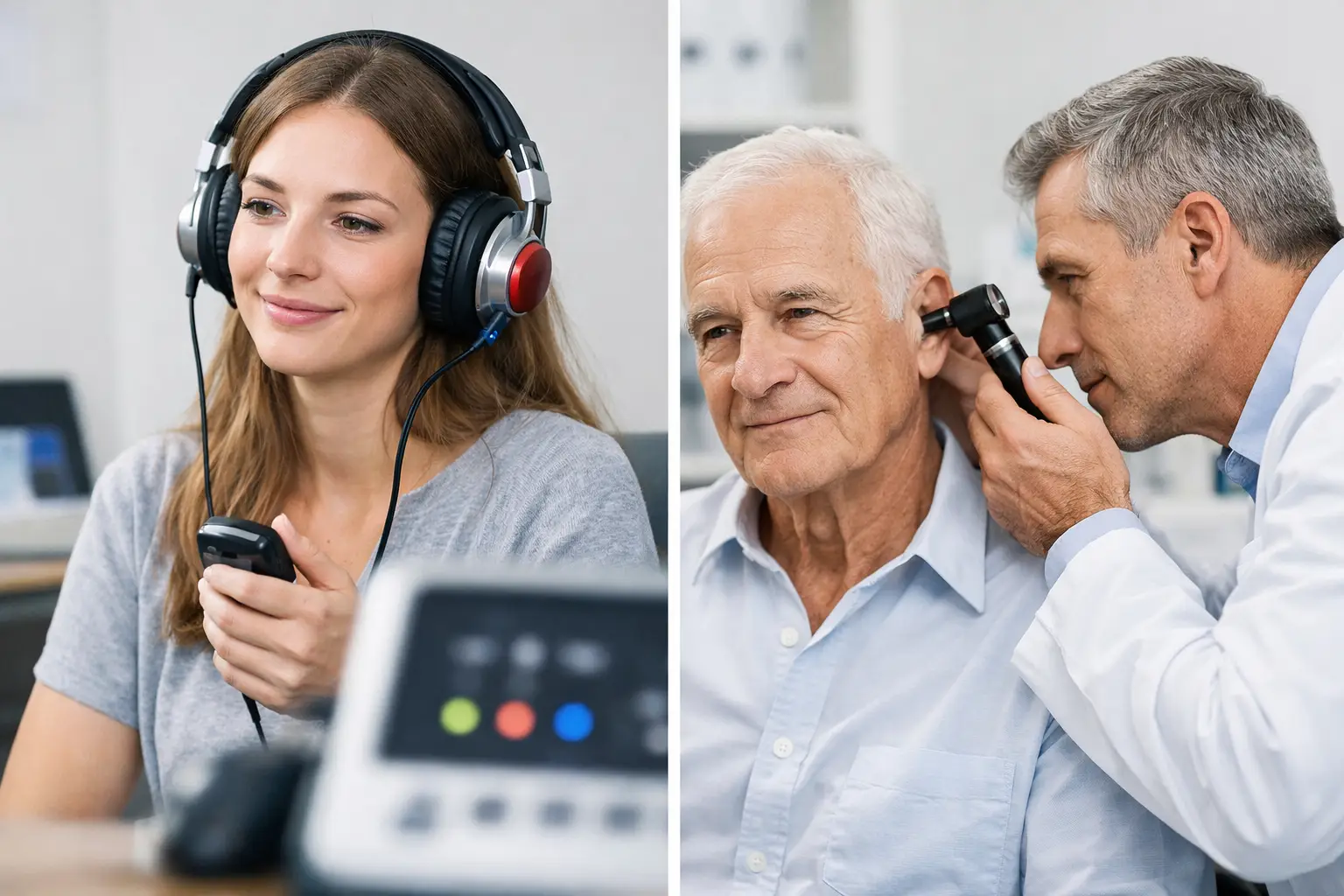
You passed a quick hearing check at a health fair, but conversations in restaurants still feel muddy. Or maybe a loved one says the TV is too loud, even though they recently had their hearing “tested.” That is where the confusion often starts. When people compare hearing screening versus hearing exam, they are usually talking about two very different levels of care.
A screening is a fast first look. An exam is a fuller evaluation designed to answer what is happening, how much hearing loss may be present, and what to do next. Knowing the difference can save time, reduce frustration, and help you take the right next step with confidence.
Hearing screening versus hearing exam: what changes?
The simplest way to think about it is this: a hearing screening asks, “Might there be a problem?” A hearing exam asks, “What exactly is going on?”
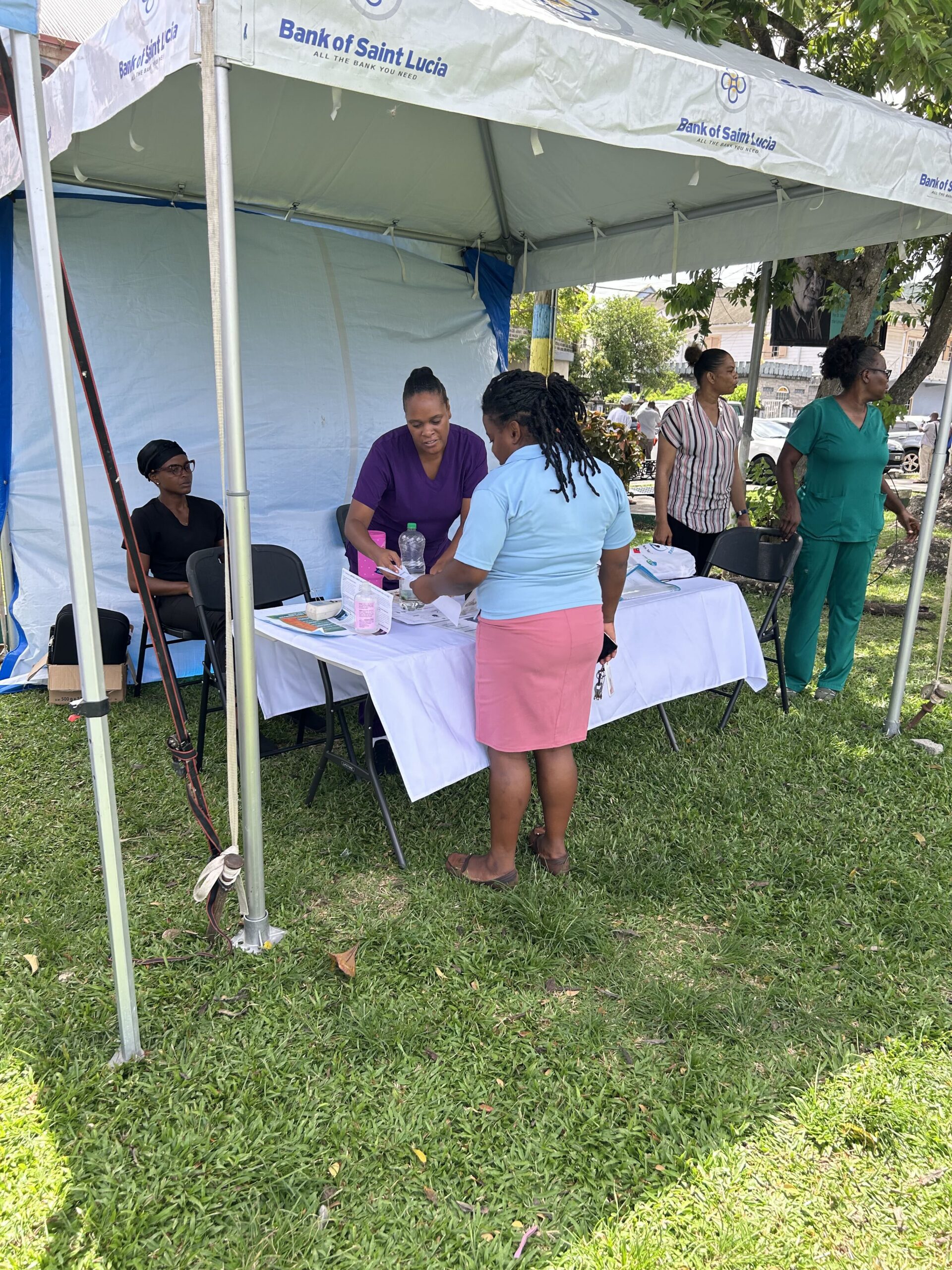
A hearing screening is typically brief and limited. It may happen at a community event, a primary care office, a school, a workplace, or through a basic hearing check. Its purpose is to flag possible hearing difficulty. It is not meant to diagnose the cause of hearing loss or map out treatment.
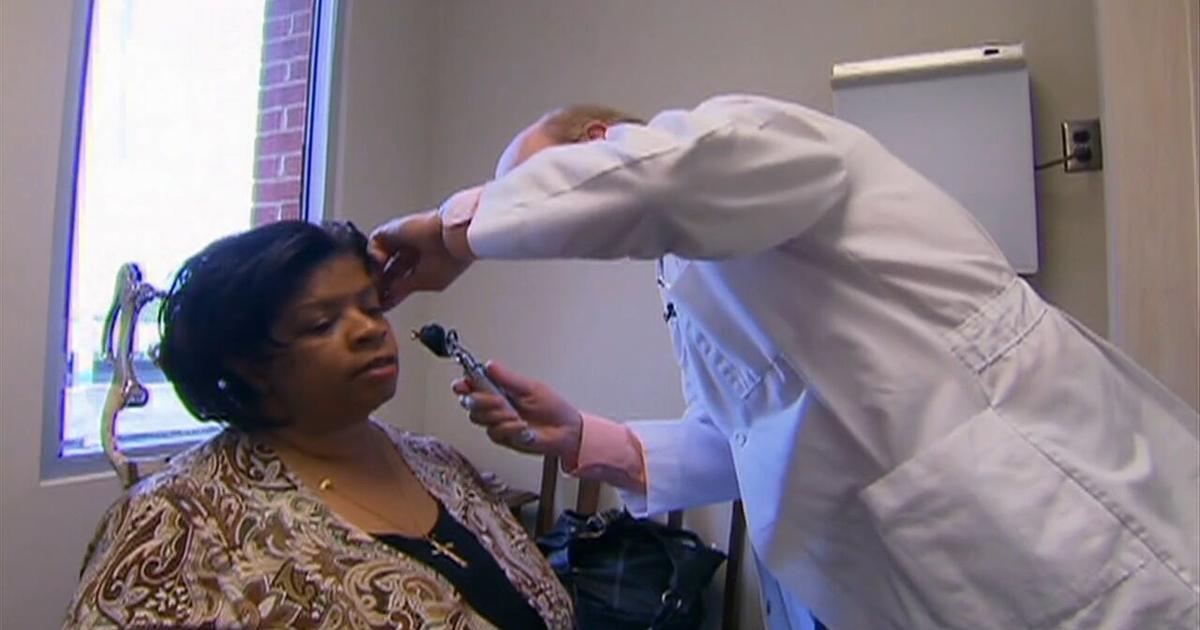
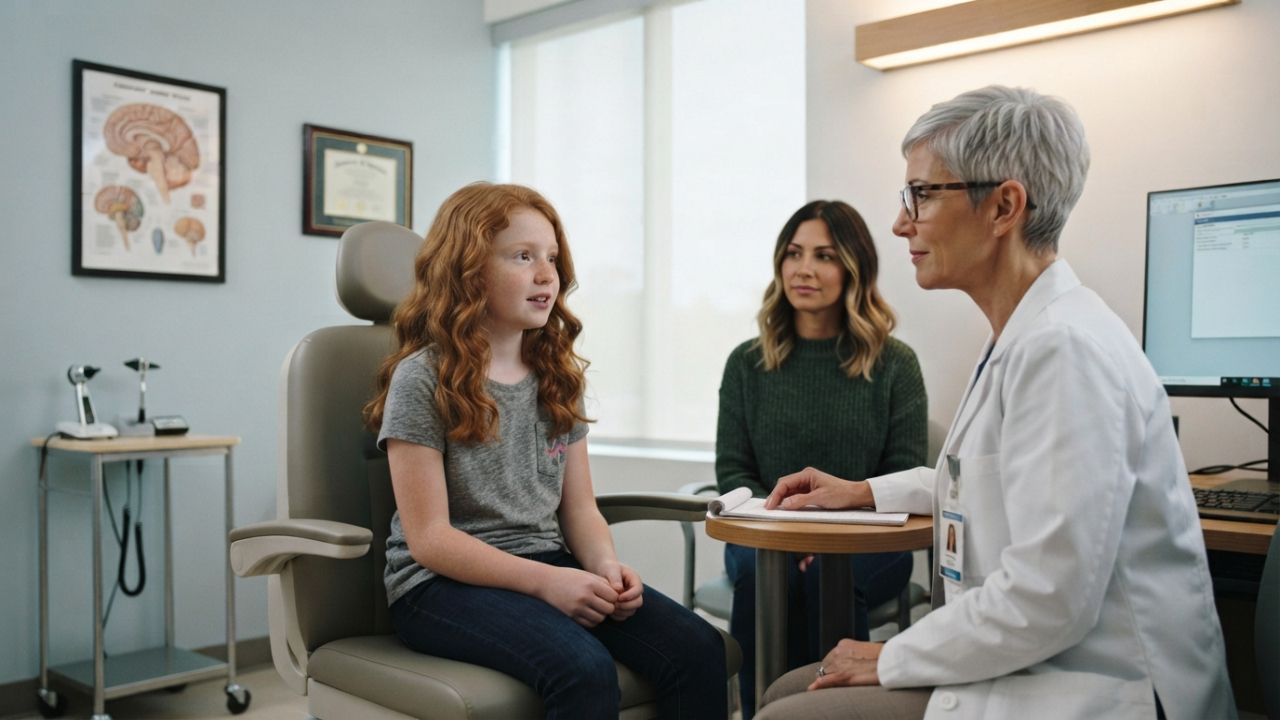
A hearing exam is more detailed and personalized. It is usually performed in a hearing care setting and includes a series of tests that measure how well you hear different sounds, pitches, and speech. It can also help identify patterns that point to specific types of hearing loss.
That difference matters because hearing challenges are rarely one-size-fits-all. Two people can both say, “I can hear, but I can’t understand,” and have very different needs.
What a hearing screening usually includes
Most screenings are designed to be quick, accessible, and easy to complete. In many cases, you wear headphones and respond when you hear tones. Some screenings also include a few words presented at different volumes, or a short questionnaire about symptoms.
That makes screenings useful, especially for awareness. They can catch a possible issue early, which is valuable if you have started missing parts of conversations, asking people to repeat themselves, or feeling tired after social situations.
But a screening has limits. It may not test enough frequencies, it may not look closely at speech understanding, and it usually does not explain why you are having trouble. A person might pass a basic screening and still struggle in real life, especially in places with background noise. That is one reason people sometimes feel their experience and their results do not match.
What a hearing exam usually includes
A full hearing exam goes further. It often begins with a conversation about what you have noticed in daily life. Maybe group dinners have become harder. Maybe phone calls feel less clear. Maybe you hear men’s voices better than women’s voices, or the other way around. Those details help shape the evaluation.
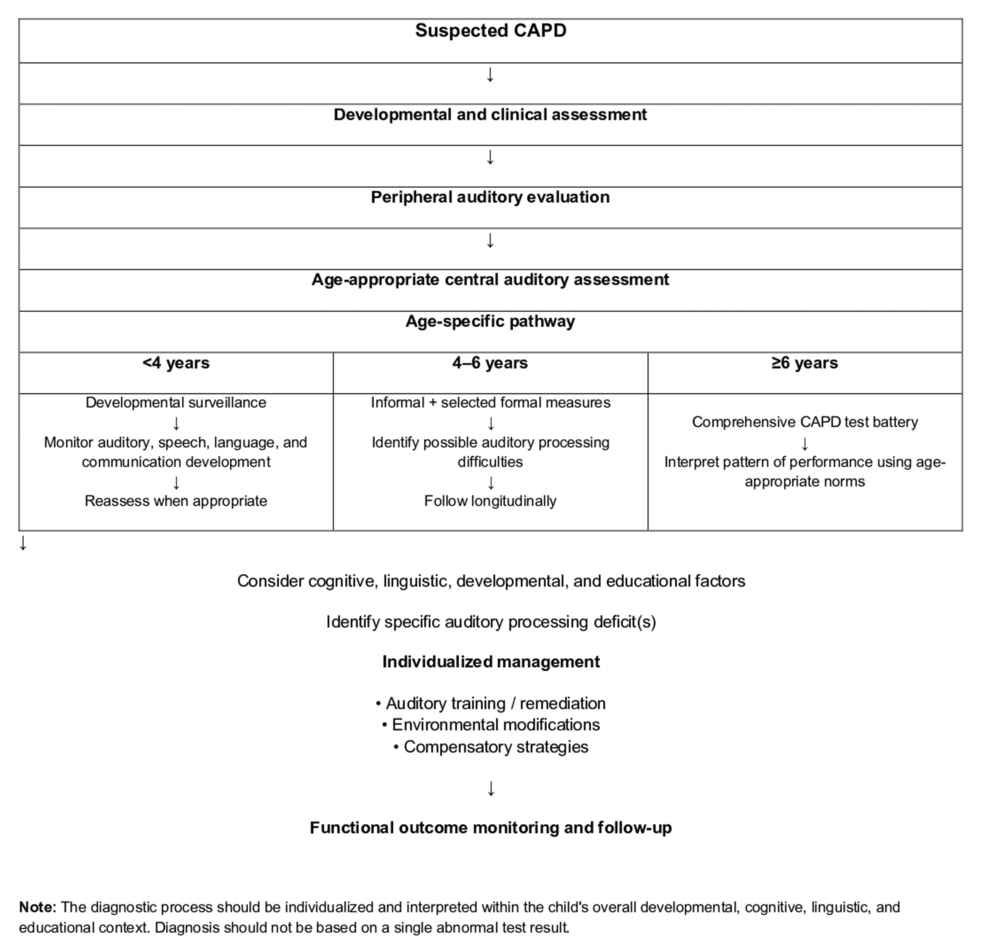
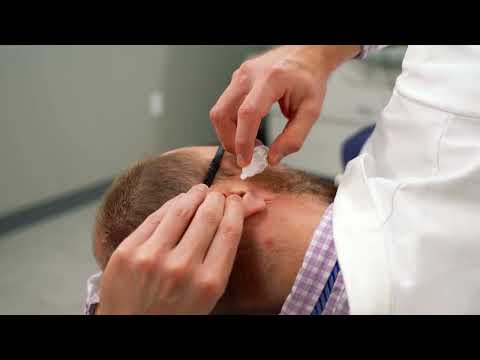
The exam itself may include several parts. Pure-tone testing checks the softest sounds you can hear across different pitches. Speech testing looks at how well you hear and understand spoken words. Additional measures may help evaluate how the ear is functioning physically and whether the hearing loss seems related to the outer ear, middle ear, or inner ear.
A hearing care professional then reviews the results with you in plain language. Instead of simply saying you passed or failed, they can explain the degree and pattern of any hearing loss and what that could mean for daily communication.
That deeper view is often what people need. If your goal is not just to confirm that something feels off, but to understand it clearly, a hearing exam is the more helpful tool.
Why screenings are helpful, but not always enough
Screenings play an important role because they lower the barrier to action. For many adults, a quick check is less intimidating than scheduling a full appointment. It can be the moment that turns a nagging suspicion into a real decision to learn more.
Still, screenings are best seen as a starting point, not a final answer. They are especially limited when symptoms are mild, uneven, or situation-specific. For example, you might hear well in a quiet room but struggle when several people are talking. A basic screen may miss that kind of real-world difficulty.
There is also the question of earwax, temporary congestion, tinnitus, or asymmetrical hearing loss, where one ear hears differently than the other. Those issues deserve more than a yes-or-no result.
So if a screening suggests a problem, the next move is usually clear: schedule a full exam. If a screening says everything looks fine but daily life still says otherwise, that is also a good reason to move on to a complete evaluation.
When to choose a hearing screening
A hearing screening makes sense when you want a simple first check. Maybe you are curious, maybe a family member raised concerns, or maybe you have noticed a few signs but are not sure whether they add up to anything meaningful.
It can also be a good fit if you have never had your hearing checked before and want an easy way to begin. For adults who have been putting it off, a screening can make the topic feel more approachable.
That said, it is not the best choice if you already know something is affecting your quality of life. If hearing problems are interfering with relationships, work, confidence, or safety, a screening may only delay the fuller answers you really need.
When to choose a hearing exam
Choose a hearing exam if you want clarity. It is the better option if speech sounds muffled, if you often ask people to repeat themselves, if background noise makes understanding difficult, or if someone close to you has noticed changes.
A full exam is also important if you have ringing in the ears, dizziness, pressure, sudden hearing changes, or a noticeable difference between ears. Those symptoms call for more careful attention.
For many adults, the real tipping point is lifestyle. If hearing difficulty is causing you to withdraw from social events, avoid phone calls, or feel less connected to the people around you, a complete exam can help you understand what support may improve everyday life.
What happens after the results
This is another major difference in hearing screening versus hearing exam. After a screening, the follow-up is usually simple: either no concerns were flagged, or you are advised to get a more complete evaluation.
After a hearing exam, the next step can be much more tailored. You may learn that your hearing is within normal range and that another issue, such as earwax or sound processing challenges, needs attention. You may learn that you have mild hearing loss and should monitor it over time. Or you may find that treatment options, including hearing devices, could make conversations, TV listening, and social outings much easier.
That personalized guidance is often what gives people relief. It replaces uncertainty with a plan.
A practical way to think about the choice
If you are still deciding, ask yourself one question: am I looking for a quick check, or real answers?
If you want a quick check, a screening may be enough to get started. If you want to understand the cause, extent, and impact of what you are experiencing, a hearing exam is the better path.
There is no shame in starting small. There is also no benefit in staying stuck with half-answers when hearing is affecting how you live. Better hearing care is not just about test results. It is about staying connected, independent, and engaged in the moments that matter most.
At Hear More Michigan Media Center, that is the bigger goal behind clearer information - helping people feel informed enough to take the next step. If hearing has felt harder lately, trust what daily life is telling you. A quick screening can open the door, but a full exam is often what helps you hear more and live more.


