
































A hearing aid can look small in your hand and still come with a long list of technology inside it. That is why understanding the best hearing aid features matters so much. The right features can make conversations easier, reduce listening fatigue, and help you feel more confident in restaurants, family gatherings, meetings, and everyday moments that matter.
Not every feature is worth paying for in every situation, though. The best choice depends on your hearing needs, your lifestyle, your comfort with technology, and even how much dexterity you have with tiny batteries or controls. If you are shopping for yourself or helping a loved one compare options, it helps to focus less on what sounds impressive and more on what will actually improve daily life.
The best hearing aid features start with your real life
When people first explore hearing aids, it is easy to assume newer always means better. In reality, the best hearing aid features are the ones that solve the problems you deal with most often.
If background noise is your biggest challenge, you may want stronger speech-focused processing. If phone calls feel frustrating, direct streaming may matter more. If handling small batteries feels difficult, rechargeability can be a major quality-of-life upgrade.
That is why a good conversation about hearing aids usually starts with your routine. Think about where listening feels hardest. Maybe it is church, restaurants, group conversations, the television, or the car. Those details often point more clearly to the right features than a product brochure ever could.
Features that make the biggest difference
Noise reduction and speech enhancement
For many adults, this is the feature that changes the day-to-day experience the most. Noise reduction helps soften background sounds like clattering dishes, road noise, fans, or crowd chatter. Speech enhancement then works to make voices easier to focus on.
This does not mean hearing aids can erase background noise completely. No device can make a busy restaurant sound like a quiet living room. But better processing can reduce strain and help speech stand out more clearly, which often means less guessing and less exhaustion after social situations.
If you spend time in groups or public places, this feature deserves serious attention.
Directional microphones
Directional microphones help hearing aids prioritize sound coming from a specific direction, often in front of you. That can be especially helpful when you are talking face-to-face with someone in a noisy setting.
This feature can be a big advantage at dinner tables, community events, or family gatherings. The trade-off is that real life is not always neatly arranged. If voices are coming from all sides, directional settings may help in some moments more than others. Still, for many wearers, this is one of the most practical tools for better conversation.
Bluetooth connectivity
Bluetooth has become one of the most requested features, and for good reason. It can allow hearing aids to connect to smartphones, tablets, and sometimes televisions. That means phone calls, music, podcasts, and other audio may stream directly to your hearing aids.
For some people, that adds convenience. For others, it adds clarity and confidence, especially on calls. Family members often appreciate it too, because it can reduce the need to repeat information over the phone.
The main thing to consider is comfort with technology. If you use your smartphone regularly, Bluetooth may feel natural. If you prefer simpler devices and do not stream audio often, it may be less essential.
Rechargeable batteries
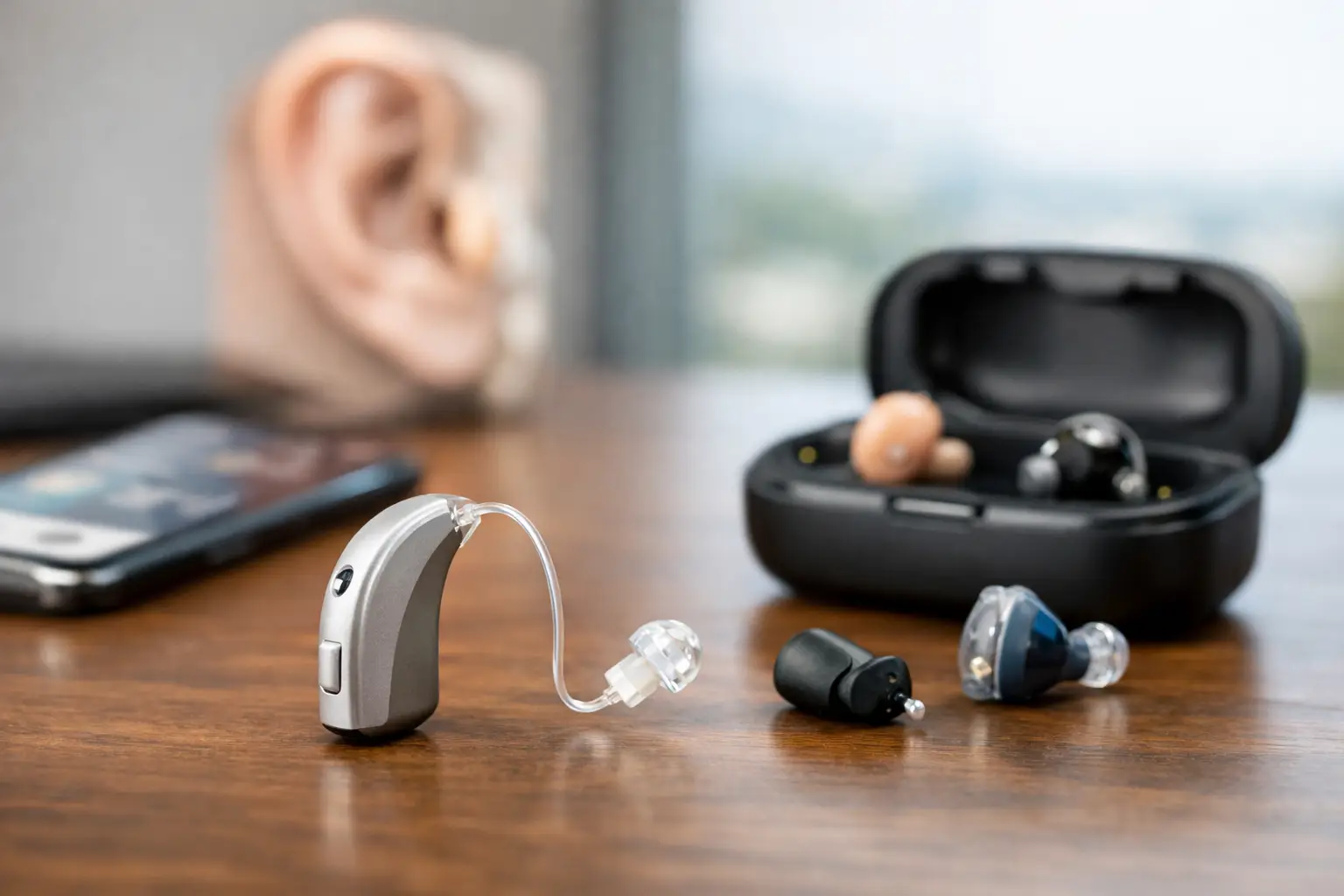
Rechargeability has become a favorite for many people because it removes the routine of changing tiny disposable batteries. Instead, you place the hearing aids in a charger at night and start the next day with power.
That can be especially helpful if you have arthritis, reduced vision, or just do not want to manage small battery doors and replacements. It also makes travel and daily routines a little simpler.
The trade-off is planning. With disposable batteries, you can swap in a fresh one right away. With rechargeable models, you need to stay consistent about charging. For most people, that is an easy habit to build, but it is still worth considering.
Feedback management
That high-pitched whistle people associate with older hearing aids is called feedback. Modern feedback management systems are designed to reduce or prevent it.
This feature may not sound exciting, but it matters. Less whistling means more comfort, fewer distractions, and less self-consciousness. It can also help when hugging someone, wearing glasses, or putting on a hat, situations that sometimes affect how a hearing aid sits in the ear.
Automatic environment adjustment
Some hearing aids can detect changes in your surroundings and adjust settings automatically. They may shift from a quiet conversation mode to a noisier public setting without requiring you to press buttons or use an app.
That convenience can be a real benefit if you move through different environments during the day. It creates a more natural experience and reduces the need to think about the device constantly.
This is especially helpful for people who want hearing support to feel easy and low maintenance. If you prefer simplicity, automatic features may be more valuable than highly manual controls.
Tinnitus masking options
If ringing or buzzing in the ears is part of your hearing story, tinnitus support may be worth asking about. Some hearing aids include sound therapy features that can help make tinnitus less noticeable.
This will not cure tinnitus, and results vary from person to person. But for some wearers, it brings relief and makes quiet environments more comfortable.
Because tinnitus often overlaps with hearing loss, this can be a meaningful feature rather than an extra add-on.
Smartphone app control
Many modern hearing aids work with apps that let you adjust volume, switch listening programs, check battery status, or locate misplaced devices. For tech-comfortable users, this can be empowering.
An app can make it easier to fine-tune your experience in the moment. If a restaurant feels loud, for example, you may be able to change settings quickly without touching the hearing aid itself.
Still, this is another feature where personal preference matters. Some people love the flexibility. Others would rather keep things simple and let the hearing aids work automatically.
Which best hearing aid features are worth paying for?
This is where expectations matter. More features do not always mean better results for every person. A retired adult who spends most days at home in smaller conversations may need something different than someone who travels frequently, attends community events, and talks on the phone all day.
If budget is a concern, focus first on features tied directly to your biggest listening frustrations. Usually that means speech clarity in noise, comfort, fit, and ease of use. Those are often more important than having every available convenience feature.
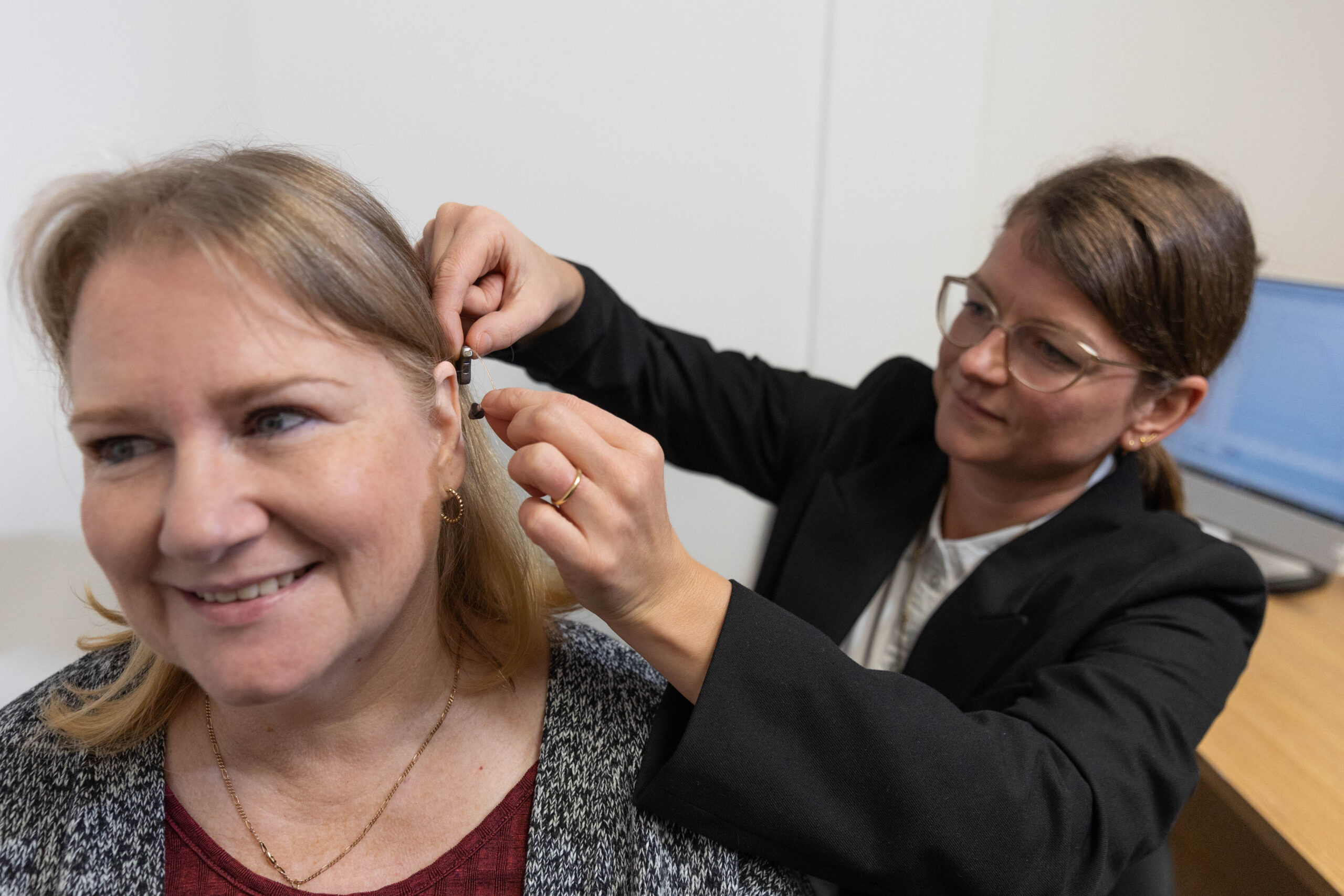
It also helps to remember that the hearing aid itself is only part of the picture. A proper hearing evaluation, a professional fitting, and follow-up adjustments can make a major difference in how well any feature actually performs. Even advanced technology can disappoint if it is not matched well to the person wearing it.
A few questions to ask before you choose
Before selecting a device, think about how you want hearing help to fit into your life. Do you want something simple and automatic, or do you like having control through an app? Do you struggle most in crowds, on the phone, or while watching TV? Would rechargeable hearing aids make life easier, or do you prefer the backup flexibility of disposable batteries?
It is also smart to consider your hands, eyesight, and comfort with small devices. A feature that looks great on paper may not feel great if it is hard to manage every day.
If you are helping a parent or spouse, pay attention to their routine, not just your own ideas about what they should want. The best outcomes usually happen when the person wearing the hearing aids feels comfortable, capable, and involved in the decision.
Better hearing should support the life you want to keep living
Hearing aid technology has come a long way, but the goal is still simple. It is about hearing more clearly so you can stay connected to the people and moments that matter most.
The best feature is not necessarily the newest one. It is the one that helps you follow the conversation at dinner, hear your grandchild more easily, enjoy events with less fatigue, or answer the phone with more confidence. When a hearing aid fits your real life, it does more than amplify sound. It supports independence, connection, and the freedom to keep showing up fully in your day.


