



HearClear LogoHearClear Fenton

    Latest Hearing News & Updates

    hearing loss
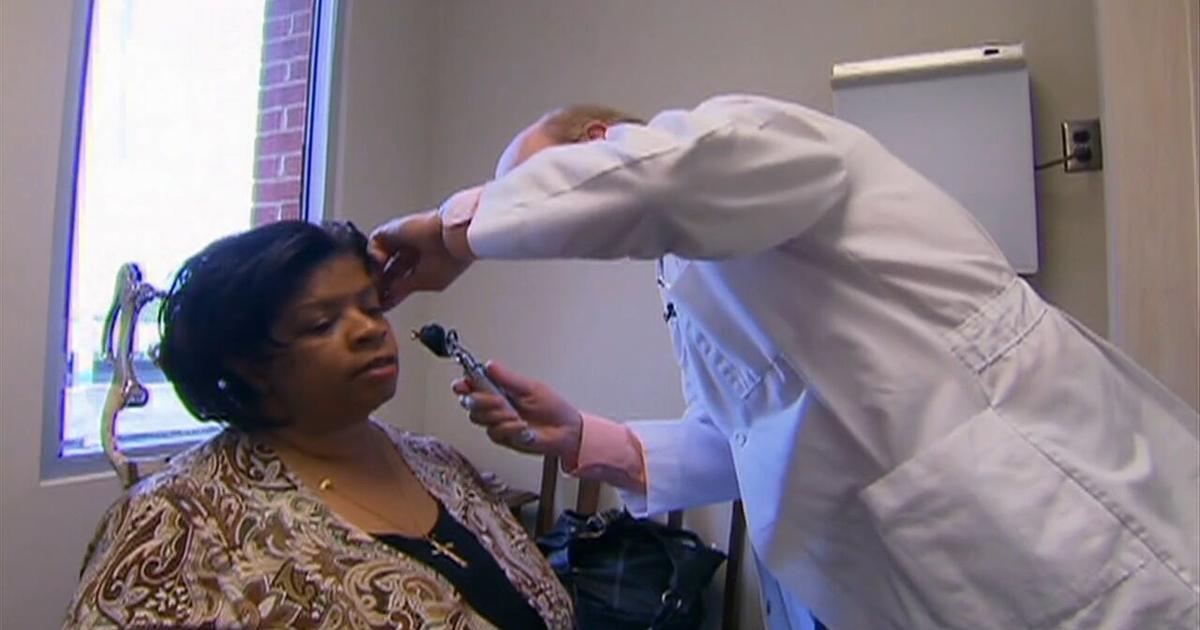
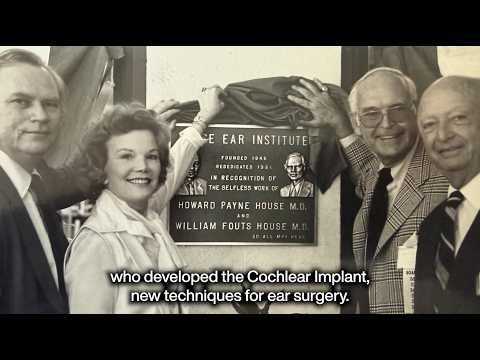
    Cochlear Surpasses 1 Million Hours of Patient Experience in Fully Implantable Hearing Technology Program

    Cochlear Surpasses 1 Million Hours of Patient Experience in Fully Implantable Hearing Technology Program

    Cochlear surpasses 1 million hours of patient experience in its fully implantable cochlear implant trials, completing recruitment for pivotal studies.
    New ownership for Midvalley audiology practice

    New ownership for Midvalley audiology practice

    A ribbon-cutting ceremony will be held Thursday at 4 p.m at Enhanced Hearing Specialists, 1330 Main St., Dickson City.
    "Gaza’s hidden crisis: Thousands face hearing loss amid war and collapsing healthcare"

    "Gaza’s hidden crisis: Thousands face hearing loss amid war and collapsing healthcare"

    A hidden crisis is unfolding in Gaza, where relentless bombardment has left thousands of civilians, especially children, with hearing loss.
    Five ways to protect your hearing while gaming

    Five ways to protect your hearing while gaming

    The guidance comes amid growing concerns about hearing damage caused by recreational listening. The WHO warns that more than one billion people aged 12 to 35
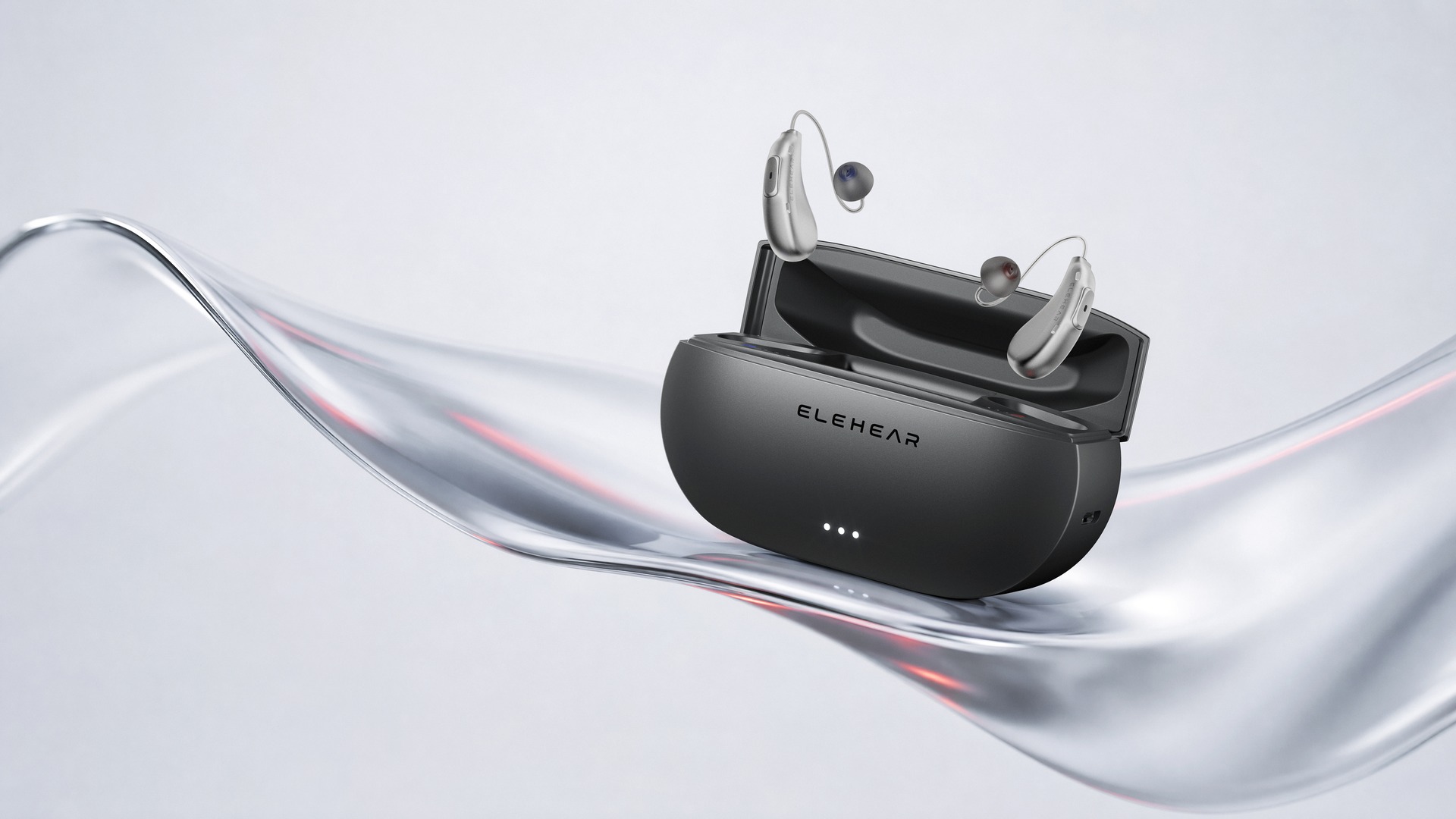
    ELEHEAR Beyond 2 Pro puts more of your listening in your hands

    ELEHEAR Beyond 2 Pro puts more of your listening in your hands

    A conversation over coffee, a phone call on the way home, and music in a quiet room ask different things of a hearing aid. Being able to adjust the sound

    Hearing Health in Fenton & Surrounding Areas

    • •Your Brain and Body Deserve the Best Care
    • •Serving Fenton, Burton, Lapeer, and nearby communities, we know hearing health is deeply connected to brain sharpness, energy, and quality of life. We're here to help you protect both.

    Hearing Screening Versus Hearing Exam

    Hearing Screening Versus Hearing Exam

    You passed a quick hearing check at a health fair, but conversations in restaurants still feel muddy. Or maybe a loved one says the TV is too loud, even though they recently had their hearing “tested.” That is where the confusion often starts. When people compare hearing screening versus hearing exam, they are usually talking about two very different levels of care.

    A screening is a fast first look. An exam is a fuller evaluation designed to answer what is happening, how much hearing loss may be present, and what to do next. Knowing the difference can save time, reduce frustration, and help you take the right next step with confidence.

    Hearing screening versus hearing exam: what changes?

    The simplest way to think about it is this: a hearing screening asks, “Might there be a problem?” A hearing exam asks, “What exactly is going on?”

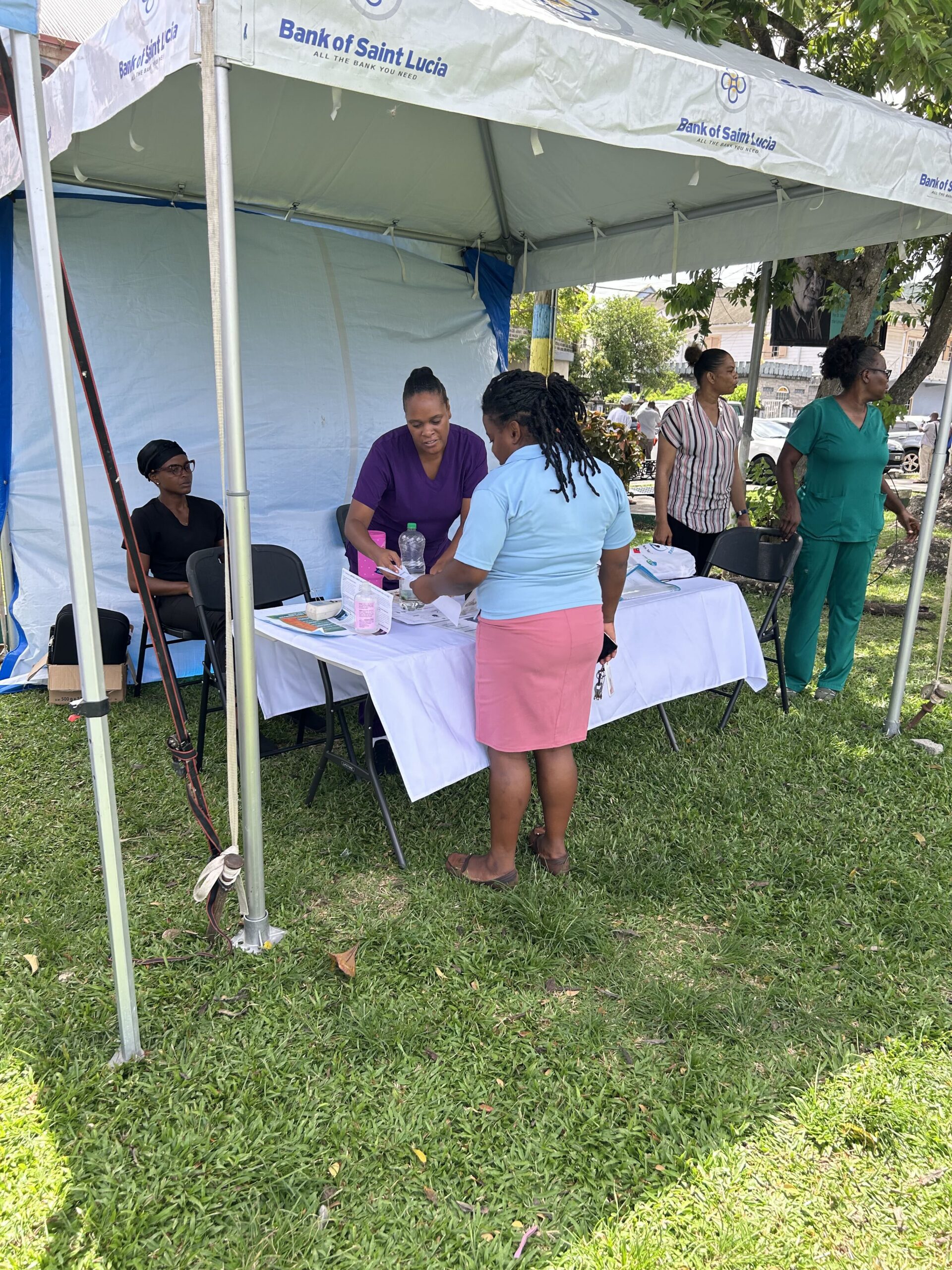
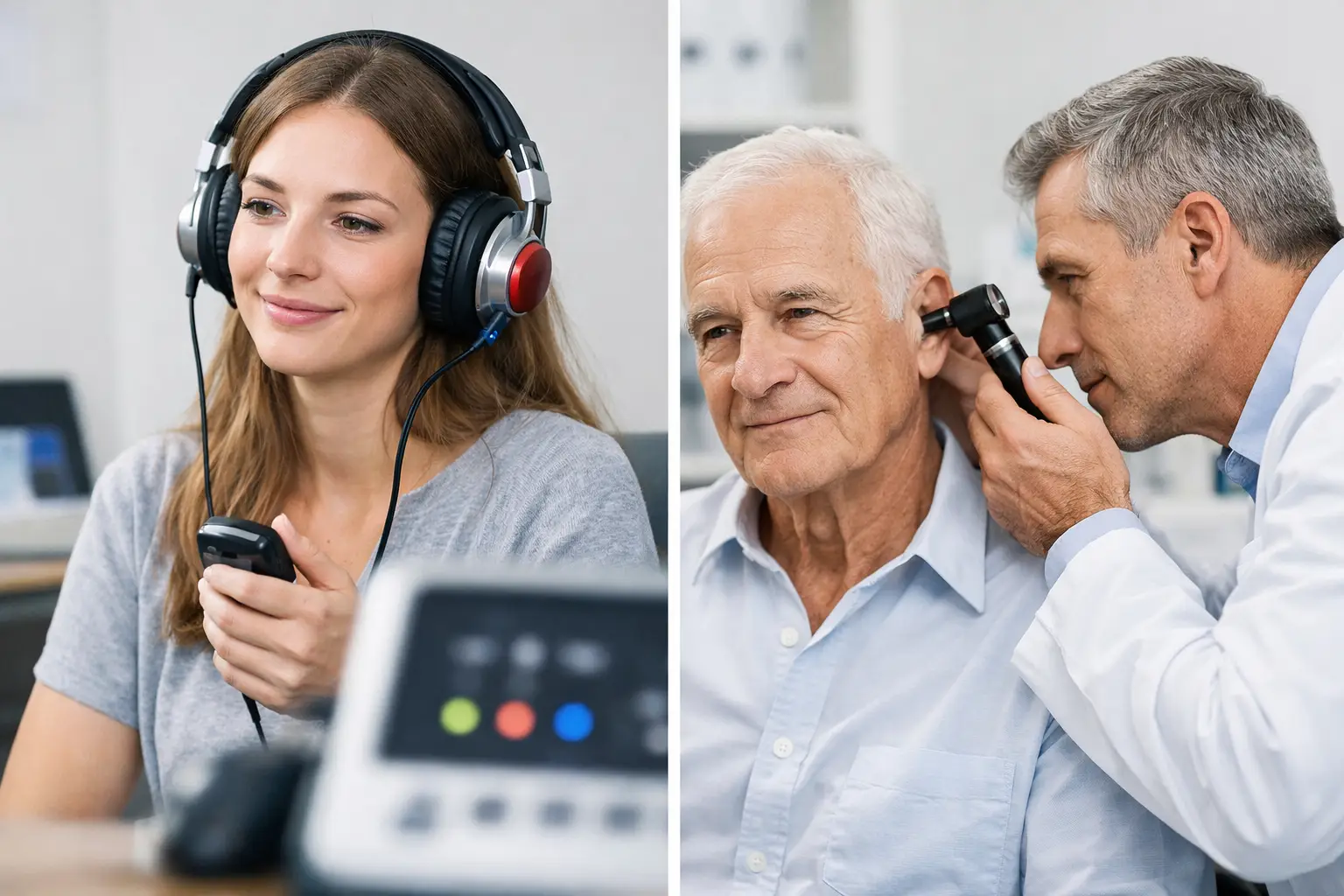
    A hearing screening is typically brief and limited. It may happen at a community event, a primary care office, a school, a workplace, or through a basic hearing check. Its purpose is to flag possible hearing difficulty. It is not meant to diagnose the cause of hearing loss or map out treatment.

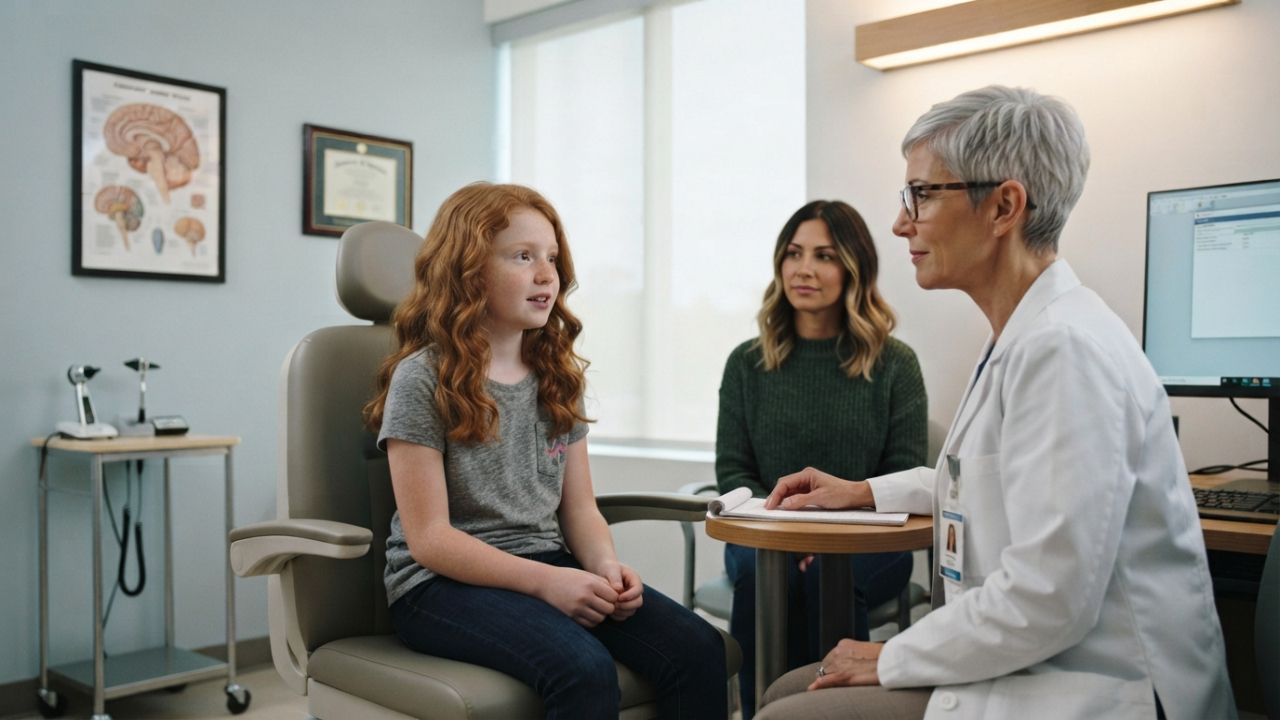
    A hearing exam is more detailed and personalized. It is usually performed in a hearing care setting and includes a series of tests that measure how well you hear different sounds, pitches, and speech. It can also help identify patterns that point to specific types of hearing loss.

    That difference matters because hearing challenges are rarely one-size-fits-all. Two people can both say, “I can hear, but I can’t understand,” and have very different needs.

    What a hearing screening usually includes

    Most screenings are designed to be quick, accessible, and easy to complete. In many cases, you wear headphones and respond when you hear tones. Some screenings also include a few words presented at different volumes, or a short questionnaire about symptoms.

    That makes screenings useful, especially for awareness. They can catch a possible issue early, which is valuable if you have started missing parts of conversations, asking people to repeat themselves, or feeling tired after social situations.

    But a screening has limits. It may not test enough frequencies, it may not look closely at speech understanding, and it usually does not explain why you are having trouble. A person might pass a basic screening and still struggle in real life, especially in places with background noise. That is one reason people sometimes feel their experience and their results do not match.

    What a hearing exam usually includes

    A full hearing exam goes further. It often begins with a conversation about what you have noticed in daily life. Maybe group dinners have become harder. Maybe phone calls feel less clear. Maybe you hear men’s voices better than women’s voices, or the other way around. Those details help shape the evaluation.

    The exam itself may include several parts. Pure-tone testing checks the softest sounds you can hear across different pitches. Speech testing looks at how well you hear and understand spoken words. Additional measures may help evaluate how the ear is functioning physically and whether the hearing loss seems related to the outer ear, middle ear, or inner ear.

    A hearing care professional then reviews the results with you in plain language. Instead of simply saying you passed or failed, they can explain the degree and pattern of any hearing loss and what that could mean for daily communication.

    That deeper view is often what people need. If your goal is not just to confirm that something feels off, but to understand it clearly, a hearing exam is the more helpful tool.

    Why screenings are helpful, but not always enough

    Screenings play an important role because they lower the barrier to action. For many adults, a quick check is less intimidating than scheduling a full appointment. It can be the moment that turns a nagging suspicion into a real decision to learn more.

    Still, screenings are best seen as a starting point, not a final answer. They are especially limited when symptoms are mild, uneven, or situation-specific. For example, you might hear well in a quiet room but struggle when several people are talking. A basic screen may miss that kind of real-world difficulty.

    There is also the question of earwax, temporary congestion, tinnitus, or asymmetrical hearing loss, where one ear hears differently than the other. Those issues deserve more than a yes-or-no result.

    So if a screening suggests a problem, the next move is usually clear: schedule a full exam. If a screening says everything looks fine but daily life still says otherwise, that is also a good reason to move on to a complete evaluation.

    When to choose a hearing screening

    A hearing screening makes sense when you want a simple first check. Maybe you are curious, maybe a family member raised concerns, or maybe you have noticed a few signs but are not sure whether they add up to anything meaningful.

    It can also be a good fit if you have never had your hearing checked before and want an easy way to begin. For adults who have been putting it off, a screening can make the topic feel more approachable.

    That said, it is not the best choice if you already know something is affecting your quality of life. If hearing problems are interfering with relationships, work, confidence, or safety, a screening may only delay the fuller answers you really need.

    When to choose a hearing exam

    Choose a hearing exam if you want clarity. It is the better option if speech sounds muffled, if you often ask people to repeat themselves, if background noise makes understanding difficult, or if someone close to you has noticed changes.

    A full exam is also important if you have ringing in the ears, dizziness, pressure, sudden hearing changes, or a noticeable difference between ears. Those symptoms call for more careful attention.

    For many adults, the real tipping point is lifestyle. If hearing difficulty is causing you to withdraw from social events, avoid phone calls, or feel less connected to the people around you, a complete exam can help you understand what support may improve everyday life.

    What happens after the results

    This is another major difference in hearing screening versus hearing exam. After a screening, the follow-up is usually simple: either no concerns were flagged, or you are advised to get a more complete evaluation.

    After a hearing exam, the next step can be much more tailored. You may learn that your hearing is within normal range and that another issue, such as earwax or sound processing challenges, needs attention. You may learn that you have mild hearing loss and should monitor it over time. Or you may find that treatment options, including hearing devices, could make conversations, TV listening, and social outings much easier.

    That personalized guidance is often what gives people relief. It replaces uncertainty with a plan.

    A practical way to think about the choice

    If you are still deciding, ask yourself one question: am I looking for a quick check, or real answers?

    If you want a quick check, a screening may be enough to get started. If you want to understand the cause, extent, and impact of what you are experiencing, a hearing exam is the better path.

    There is no shame in starting small. There is also no benefit in staying stuck with half-answers when hearing is affecting how you live. Better hearing care is not just about test results. It is about staying connected, independent, and engaged in the moments that matter most.

    At Hear More Michigan Media Center, that is the bigger goal behind clearer information - helping people feel informed enough to take the next step. If hearing has felt harder lately, trust what daily life is telling you. A quick screening can open the door, but a full exam is often what helps you hear more and live more.

    Hearing Health Assessment

    Question 1 of 4

    How often do you ask people to repeat themselves?

    Articles Coming Soon on Our Site

    Read about our Hearing Test Procedures →
    • •How Untreated Hearing Loss Raises Your Dementia Risk by Up to 5x
      Dementia
    • •Why Regular Hearing Tests Are Your Best Defense Against Cognitive Decline
      Testing
    • •The Surprising Link Between Hearing Health and Brain Health
      Brain Health
    • •7 Early Warning Signs of Hearing Loss That Could Signal Future Dementia
      Dementia
    • •Can Hearing Aids Help Prevent Dementia? What the Latest Research Shows
      Dementia
    • •The Importance of Baseline Hearing Tests in Your 40s and 50s
      Testing
    • •How Hearing Loss Affects Memory and Daily Life
      Brain Health
    • •Top 5 Lifestyle Changes to Protect Hearing and Reduce Dementia Risk
      Lifestyle
    • •Hearing Tests: Quick, Painless, and Potentially Life-Saving
      Testing
    • •The Hidden Connection: Untreated Hearing Loss and Alzheimer's Disease
      Dementia
    • •Why Seniors Should Get Annual Hearing Screenings
      Testing
    • •How Background Noise Affects Hearing and Cognitive Function
      Brain Health
    • •Hearing Health Myths That Could Increase Your Dementia Risk
      Dementia
    • •The Role of Social Isolation in Hearing Loss and Dementia
      Lifestyle
    • •What Happens to Your Brain When You Ignore Hearing Problems
      Brain Health
    • •Affordable Hearing Tests: Where to Start and What to Expect
      Testing
    • •Hearing Aids vs. Dementia Prevention: Real Patient Stories
      Dementia
    • •Nutrition Tips for Better Hearing and Sharper Memory
      Lifestyle
    • •The Impact of Noise Exposure on Long-Term Cognitive Health
      Brain Health
    • •Why Family History of Hearing Loss Means You Need Regular Tests
      Testing
    • •Exercise Routines That Support Both Hearing and Brain Health
      Lifestyle
    • •How Modern Hearing Technology Helps Fight Cognitive Decline
      Brain Health
    • •The Cost of Delaying a Hearing Test: Dementia and Beyond
      Testing
    • •Tinnitus and Dementia: Is There a Connection?
      Dementia
    • •Building a Hearing-Healthy Home to Protect Your Brain
      Lifestyle
    • •Hearing Tests for Busy Adults: Why You Can't Afford to Wait
      Testing
    • •The Science Behind Hearing Loss Accelerating Brain Aging
      Brain Health
    • •Community Hearing Health Events: Get Tested and Learn Prevention
      Lifestyle
    • •Sleep, Stress, and Hearing: Protecting Your Brain from All Angles
      Lifestyle
    • •Your 2026 Hearing Health Checklist: Tests, Aids, and Dementia Defense
      Testing
    Free Resources

    Modern Hearing Challenges

    Explore our comprehensive guides to understanding today's hearing challenges and how professional solutions can help you reclaim clarity.

    The Importance of Ongoing Hearing Care

    The Importance of Ongoing Hearing Care

    Discover why regular professional hearing care is essential for maintaining your hearing health and cognitive vitality.

    View Details
    The True Cost of Cheap Hearing Solutions

    The True Cost of Cheap Hearing Solutions

    Learn the hidden dangers and long-term costs of opting for budget hearing solutions over professional care.

    View Details

    Ready to Prioritize Your Hearing Health in Fenton & Surrounding Areas?

    Schedule your appointment today at one of our local locations to ensure your hearing health is at its best.

    Book an Appointmentor call (586) 400-2744
    HearClear LogoHearClear Fenton

    Empowering your journey through hearing wellness and clear communication.

    Quick Links

    © 2026 HearClear by MyCommunityPulse. All rights reserved.

    Disclaimer

    About this content. This page and these videos are content marketing published by Hear Clear Michigan (Community Pulse), an independent hearing-health hub. They are not created, sponsored, reviewed, approved, or consented to by Miracle-Ear, Inc. or its affiliates. We are paid by the independently owned and operated Miracle-Ear® offices featured here (Michigan franchise group / local owner) to produce education and local stories and to connect viewers to that group’s own booking path. We also produce similar content for other licensed hearing specialists in other projects; this series is only for this local franchise group.

    Miracle-Ear® name. “Miracle-Ear” is used only to identify the independently owned location where the reviews were posted or where the patient was seen. It is not used as our brand. We do not display the Miracle-Ear logo or official trade dress. We do not speak for Miracle-Ear, Inc.

    Google reviews. Customer comments shown from Google are public reviews of this independently owned location. They are individual opinions, not statements of Miracle-Ear, Inc., the local owner, or Hear Clear Michigan. We did not pay those reviewers for those Google posts. Wording may be shortened for length; the full review remains on the public Google listing.

    Patients on camera. Named patients (first name and last initial) appear in video by written consent. Their stories are their own experience at the named office. They are not paid actors. Individual results vary. No outcome is guaranteed.

    Specialists on camera. Hearing specialists appear as themselves, with their personal consent. They are not AI-generated faces and are not presented as “Miracle-Ear corporate staff.” Staff at any office can change.

    Booking. Hear Clear Michigan does not operate the clinic schedule. Appointments are made with the local office or through Miracle-Ear’s own booking path. A complimentary hearing check is not a medical diagnosis and is not medical advice. Hearing aids do not cure hearing loss.

    Fenton Area ClinicsFree Hearing Evaluation(586) 400-2744
    Book Now
    Avatar
    Hi there! Want to set an appointment? Talk with us here.